The Woodworking Beginner’s Journey: Embracing the Sawdust, Mistakes, and Mastery
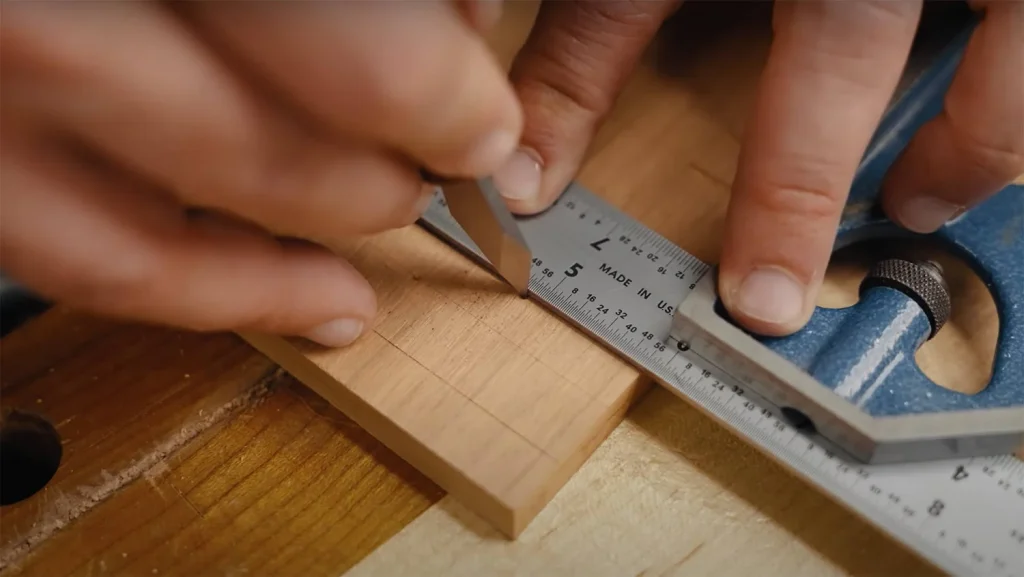
There’s something deeply appealing about the idea of woodworking. Perhaps it’s the romance of creating something tangible with your own hands, or the satisfaction of transforming rough lumber into a beautiful piece of furniture. Whatever draws people to the craft, the reality of beginning woodworking is often far different from the idealized vision.
The journey from enthusiastic beginner to competent woodworker is marked by frustration, small victories, expensive mistakes, and gradual, hard-won understanding. Yet for those who persist, it becomes one of the most rewarding pursuits imaginable.
The Honeymoon Phase and the First Reality Check
Most woodworking journeys begin with enthusiasm and optimism. You’ve watched countless YouTube videos where skilled craftspeople effortlessly create beautiful projects. You’ve purchased your first tools, perhaps a circular saw, a drill, and some clamps. Your first project seems straightforward, maybe a simple bookshelf or a workbench. How hard could it be?
The first reality check usually comes quickly. The boards you bought aren’t perfectly straight. Your cuts, despite careful measuring, don’t come out square. The wood splits when you drive in screws. The pieces don’t fit together the way you envisioned. What looked simple in the video becomes an exercise in problem-solving and adaptation. This initial collision with reality is where many would-be woodworkers give up, their tools destined for the back of the garage.
Those who continue past this point discover something important: woodworking is as much about developing judgment as developing skill. The experts in those videos possess years of accumulated knowledge about how wood behaves, how tools perform, and how to troubleshoot problems. They’ve internalized countless lessons that beginners haven’t yet encountered.
The Expensive Education
One of the most challenging aspects of beginning woodworking is the financial investment, both in tools and in mistakes. Unlike many hobbies where errors are merely frustrating, woodworking mistakes often waste material that you’ve paid for. That sheet of plywood you cut incorrectly? That’s fifty dollars in the trash. The board you split because you didn’t drill a pilot hole? Another fifteen dollars of learning.
Beyond material waste, there’s the ongoing temptation to solve problems by buying tools. Your cuts aren’t straight? Maybe you need a track saw. Your edges aren’t smooth? Perhaps a router table would help. Joints not fitting properly? A biscuit joiner might be the answer. While tools certainly expand capabilities, beginners often discover that technique matters far more than equipment. The most humbling moment comes when you watch a master craftsperson create beautiful work with basic hand tools while your shop full of power tools produces mediocre results.
The wise beginner learns to invest in knowledge and practice before accumulating tools. This means making projects with limited equipment, developing fundamental skills, and understanding that mastery comes from repetition and failure, not from owning the latest gadgets.
The Frustration of Imperfection
Woodworking demands precision, but achieving precision requires experience that beginners don’t yet have. This creates a frustrating paradox. You can see that your dovetails are uneven, that your tabletop isn’t perfectly flat, that your finish has brush marks. Your eyes can identify quality, but your hands can’t yet produce it.
This gap between vision and ability is where many beginners struggle emotionally. It’s easy to become discouraged when every project reveals new inadequacies. The mortise and tenon joint that seemed so elegant in concept becomes a loose, wobbly connection in reality. The careful finish application turns streaky and uneven. The drawer that should glide smoothly sticks and binds.
Learning to accept imperfection while striving for improvement is a crucial mindset shift. Every experienced woodworker has a mental catalog of failures, pieces that didn’t turn out right, and techniques that took years to master. The difference is that they kept going, treating each failure as tuition paid toward future competence.
Small Victories and the Learning Curve
Progress in woodworking doesn’t follow a smooth upward trajectory. Instead, it comes in sudden breakthroughs punctuated by plateaus and setbacks. You struggle with sharpening chisels for months, and then suddenly one day it clicks. You understand the angle, the pressure, the motion. Your chisels become sharp enough to shave with, and an entire category of work becomes easier.
These breakthrough moments are intoxicating. The first time you cut a joint that fits perfectly together, there’s a genuine thrill. When you successfully execute a technique that previously seemed impossible, it validates all the hours of practice. These small victories accumulate, building both skill and confidence.
Beginners also discover that learning woodworking isn’t linear. You might master one skill while remaining incompetent at another. You can cut beautiful dovetails but struggle with finishing. Your joinery might be excellent while your design sense remains undeveloped. This uneven progression is normal and reflects the reality that woodworking encompasses many distinct skill sets.
The Community and Continuous Learning
One of the great advantages of beginning woodworking in the modern era is the accessibility of knowledge and community. Online forums, video tutorials, local woodworking clubs, and classes provide support that previous generations lacked. When you’re stuck on a technique or troubleshooting a problem, experienced woodworkers are often generous with their time and advice.
However, this abundance of information creates its own challenge. There are countless approaches to every task, different schools of thought on techniques, and sometimes contradictory advice. Beginners must develop the judgment to evaluate information, determine what works for their situation, and integrate various approaches into their own practice.
Many beginners find that physical classes or mentorship accelerates learning dramatically. Having someone watch you work and provide immediate feedback addresses problems that you might not even recognize. A skilled instructor can spot that you’re holding a plane incorrectly, that your sawing technique is creating the wandering cuts you’ve been struggling with, or that your assembly sequence is making things harder than necessary.
The Transformation
Somewhere along the journey, often without recognizing exactly when it happens, beginners transform into woodworkers. The tools that once felt awkward become extensions of your hands. You develop an intuitive sense of how wood will behave. Problems that once seemed insurmountable become routine challenges to work through. You start seeing furniture and wondering how it was constructed rather than just appreciating the aesthetics.
This transformation doesn’t mean you’ve mastered woodworking—that’s a lifetime pursuit. Rather, it means you’ve developed enough foundational competence to learn independently and tackle projects with reasonable confidence. The projects you complete might still have flaws visible to your critical eye, but they’re functional, attractive, and represent genuine accomplishment.
Embracing the Journey
The beginner’s journey in woodworking is challenging precisely because it’s worthwhile. The difficulties, frustrations, and setbacks aren’t obstacles to the craft—they are the craft. Every master woodworker was once a beginner who struggled with the same fundamental challenges. The difference is simply that they persisted long enough for experience to accumulate into expertise.
For those considering woodworking or struggling through the early phases, the advice is simple: embrace the process, accept imperfection, learn from mistakes, and keep making sawdust. The journey from beginner to craftsperson is long, but every step forward is its own reward.